
Full Face (Asbestos) Masks
Thermac's range of Standard EN136 asbestos full face masks provide reliable protection against harmful airborne particulates, such as asbestos fibres. Our full face masks are renowned for their excellent fit, so are still comfortable for the wearer after long periods of use in hazardous environments. Manufactured by leading brands 3M & Sundström.
Filters
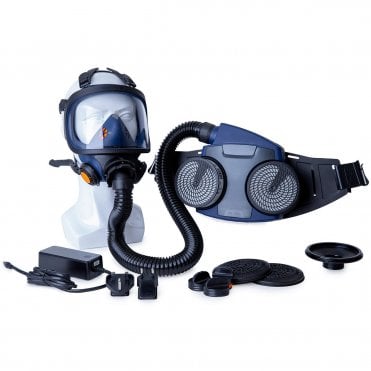
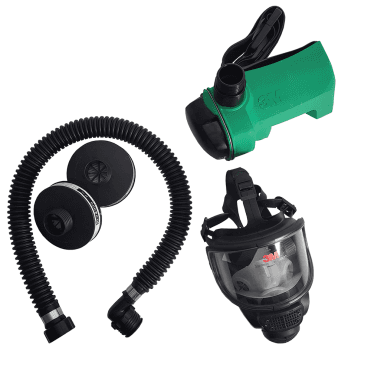
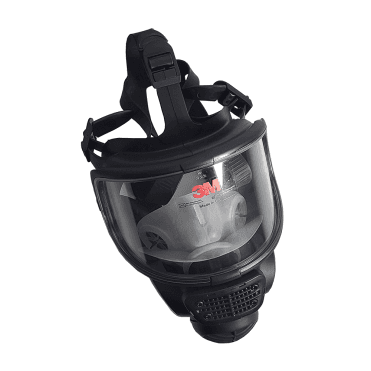
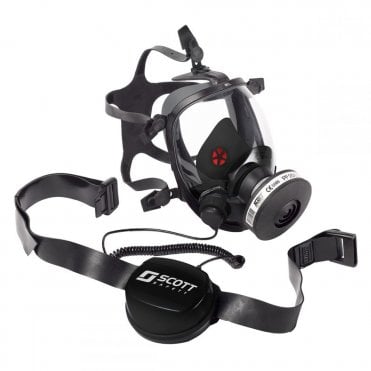

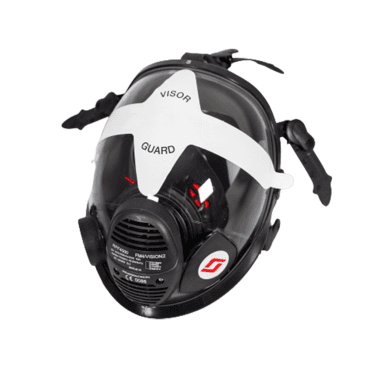
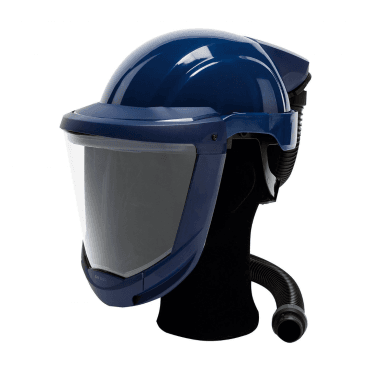
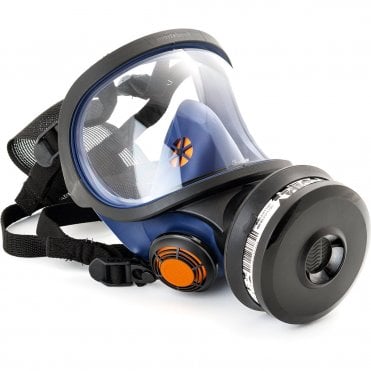
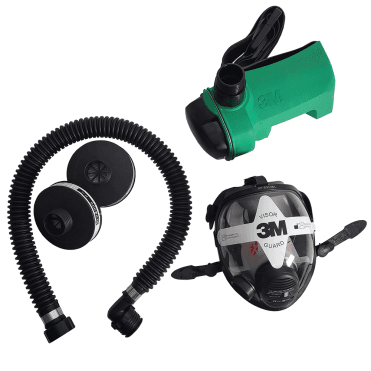
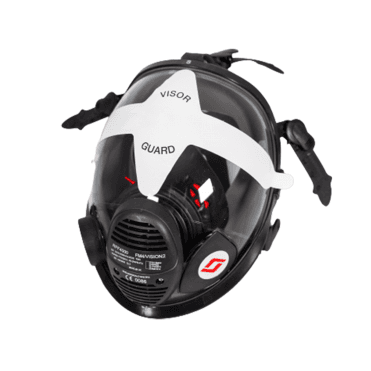
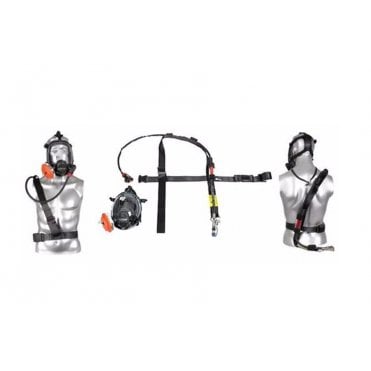
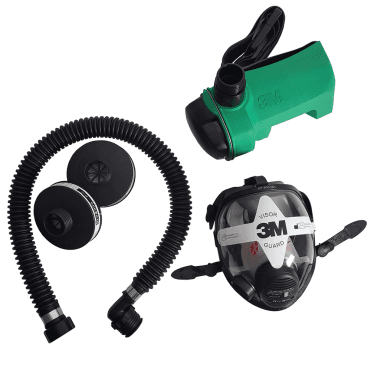
Thermac's range of Standard EN136 asbestos full face masks provide reliable protection against harmful airborne particulates, such as asbestos fibres. Our full face masks are renowned for their excellent fit, so are still comfortable for the wearer after long periods of use in hazardous environments. Manufactured by leading brands 3M & Sundström.
For regular exposure to asbestos fibres, we recommend a full face or half face asbestos mask, fitted with a P3 mask filter.
Quantitative face-fit mask tests are used to test the fitting of full face masks. Quantitative fit testing (QNFT) provides a numerical measure of how well a facepiece seals against a wearer’s face; this is called a fit factor. These tests give an objective measure of face fit. Source: hse.gov.uk.
Yes - in order to form an effective seal around the face, users must be clean shaven to wear a full face mask. If users are unwilling to shave, a hooded or helmet face mask should be considered.
No - to maintain a tight seal around the user's face, wearing spectacles is not suitable. Users are instead advised to wear contact lenses while using full face masks, or have prescription lenses fitted within the mask itself.